
Reading the Cosmos
4-Weeks Online Course
November 19, 2025
Thinking in action about understanding a place from the perspective of the Epistemologies of the South

About the course
An introduction to ecology and the systems view of life from an intercultural and critical perspective.
Learn how to read the landscape by understanding how matter, energy, and narratives converge in the world.
-
About the course
Learn to reframe the way we see the world in today’s globalized context, and to rethink how peasant, traditional, Indigenous, and rooted societies place themselves within it.
This workshop does not view precarity as modern progress labels it, but as a space of dignity, creativity, and resourcefulness — where people reclaim their lives and territories while caring for and nourishing them.
A workshop on ecological and intercultural thinking and action, it invites us to understand that the Earth’s ecological processes, together with our thoughts and practices, constitute our cosmos. We draw on the ideas and actions of the communities of Abya Yala, Cemanáhuac, and Isla Tortuga — endonyms used in different regions of the American continent — as well as on insights from ethnography and agroecology to engage in dialogue with the knowledge of rooted communities.
This course brings together both the research and the lived experience of previous editions of this workshop, as well as lessons from other projects and learning processes in social ecology.
What you’ll learn
Peasant and indigenous narratives about community, landscape, and living in a place.
Practical ways to read a farm, forest, or city and its socioecological capacities in terms of atmosphere and geography.
Read agave management practices anthropologically, connecting ecology, tradition, and contemporary change.
Design strategies to connect with your own territory through collective action and changing the mindset.
Who is it for?
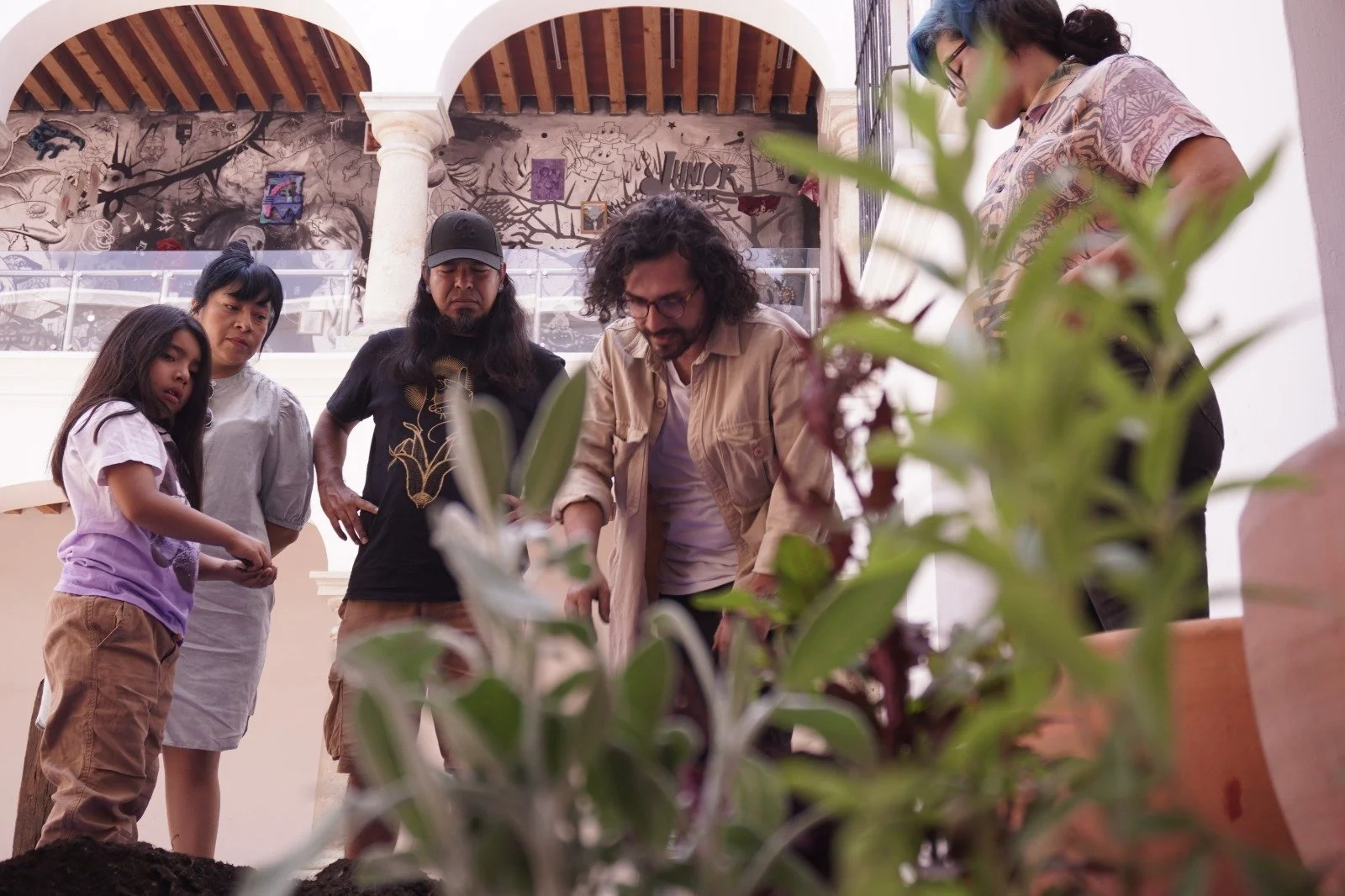
Cooks, students, researchers, mothers and fathers, promoters, administrators, social workers, agriculturists, traders etc…
Anyone interested in:
Degrowth
Permaculture
Regenerative thinking and design
Alternative epistemologies
Indigenous thought

The pedagogy of Expresiones
We try to weave learning with people’s lives. We carry our community through inviting active thinking, self-awareness and collective construction of knowledge.
Syllabus
-
Culture, environment and cosmos
Biocultural memory
Environmental history as more-than-human history
Mindfulness
-
Narratives on indigenous cognition
The poetics of feeling-thinking
Environmental affectivity
Mind-body-territory
-
Deep attetion
Ecology 101
System thinking principles
Ecological journailing
-
Landscape as process
Reading landscape units
Traditional Ecological Knowledge and applications
Watershed perspective
Compassion narratives
-
Referencias bibliográficas para el curso desde La Isla Tortuga, Abya Yala, Cemanáhuac, América Latina:
La memoria biocultural de Toledo y Barrera-Bassols
Cuerpo, cosmos y medio ambiente de Pierre Beaucage
La filosofía Náhuatl estudiada desde sus fuentes de León Portilla
Indigenous Storywork: educating the heart, mind, body and spirit de Jo-Ann Archibald
El retorno a la naturaleza: apuntes sobre cosmovisión Amazónica desde los Quechua de Grimaldo Rengifo Vázquez
Land as Pedagogy de Leanne Betasamosake Simpson
En tiempos de muerte: cuerpos, pedagogías resistencias de Lorena Cabnal
Un mundo Ch’ixi es posible de Silvia Rivera Cusicanqui
Entre otras más

FORMAT AND AVAILABILITY
DURATION:
4 sessions.
FORMAT:
Online sessions via Google Meets. Every session will be recorded for future and anachronic review.
LANGUAGE:
English
DATES:
Starting November 19, 2025.
Every Wednesday from 19:00 to 21:30 hrs. UTC-6
COST:
160 USD per person.
120 USD.
Payment via PayPal.
Ask about payments options. Ask about scholarships. Send an email so we can adapt to your situation. We will be happy to reach an agreement.
Special offer for anyone making a living rooted in Latin America,
and the Global South
$60 USD
About the facilitator
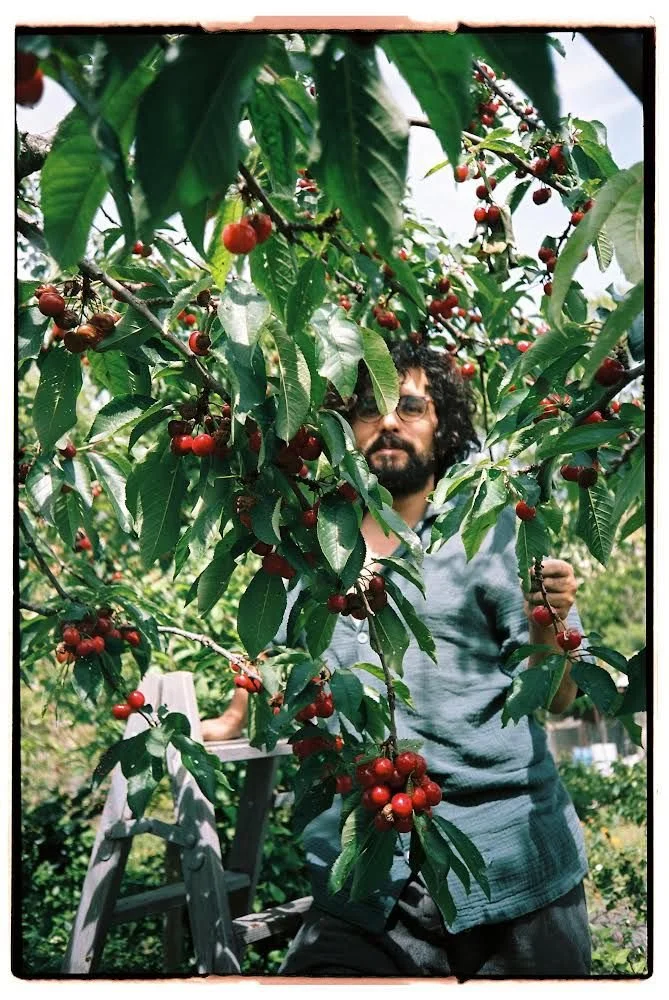
Vinik Jure: Agroecologist and social researcher from southern Mexico, working through participatory and situated research since 2011. My work bridges social ecology, peasant food systems, intercultural dialogue, and radical pedagogy. Through Expresiones Bioculturales, I develop research, learning processes, and practical applications in agroecology and ecological restoration.