

Anthropology of
agave and mezcal
Thinking and practicing our life in a way we understand culture, food, and mezcal in a complex, systemic, situated, and reflexive way.
Workshop available upon request for groups, organizations, and educational spaces
About the workshop
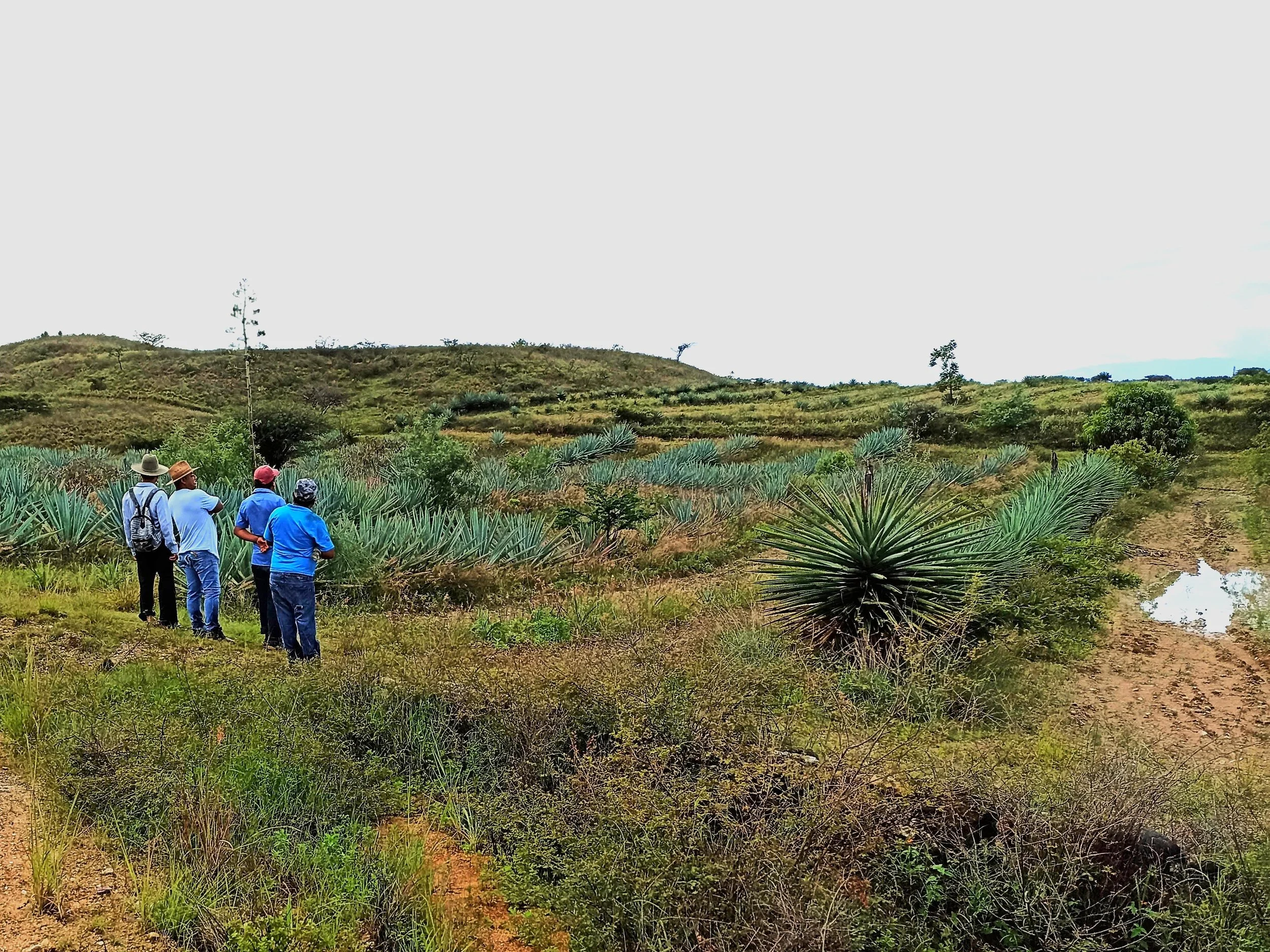
Through the studies of food anthropology we will reflect on the relationship between different social groups within Mexico and the global world as they concern maguey-mezcal.
We’ll try to understand how agave management and mezcal uses are articulated through the interaction of the social construction of narratives and meaning, the human body, institutions, politics, economics, and ecologies.
MEZCAL, AS FOOD, is at the center of key issues of our time such as social inequalities, land use change, migration, health, urbanization, rural ways of life and traditional knowledge.
The pedagogy of Expresiones
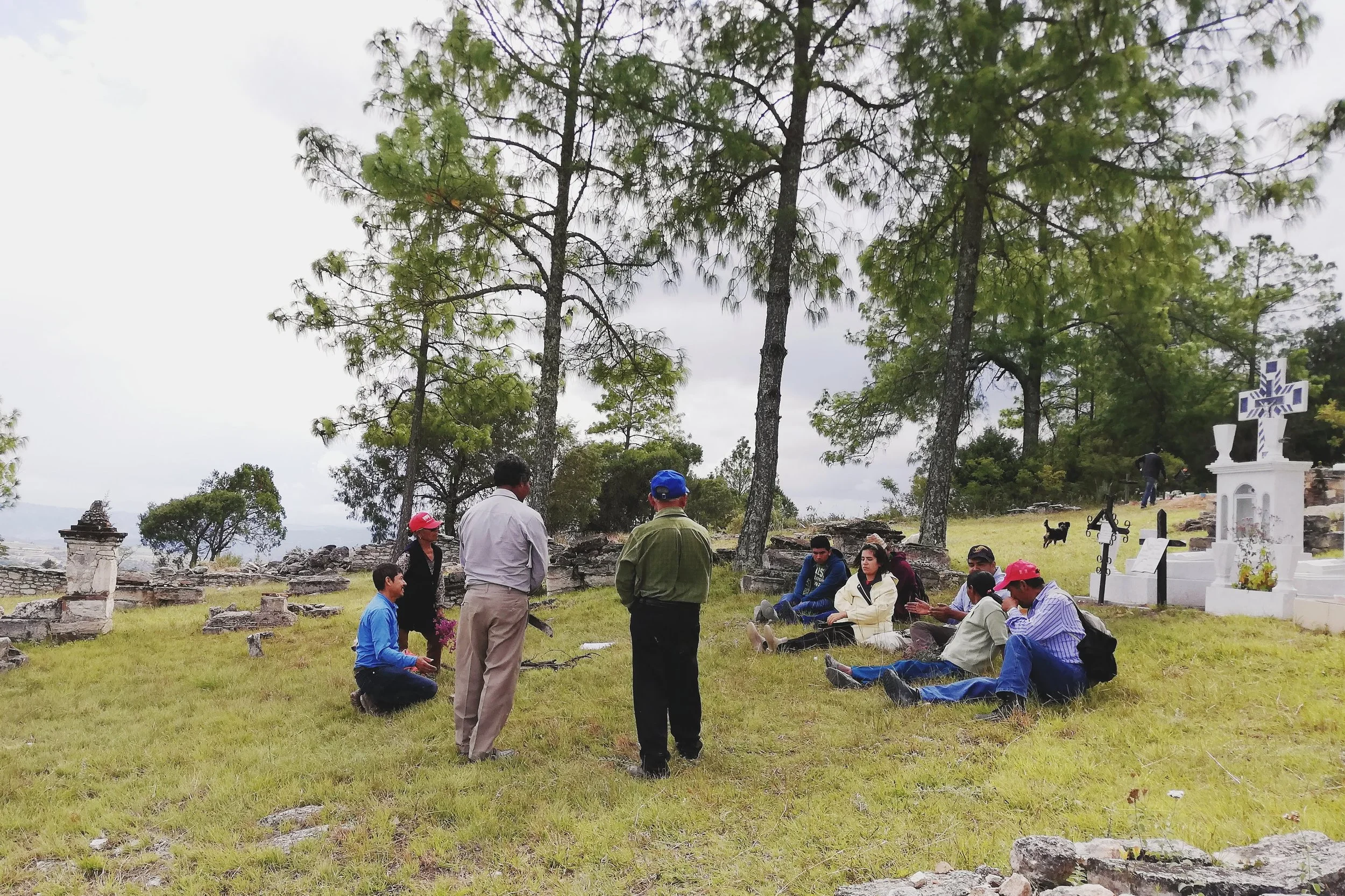
This is a pedagogical project that tries to weave learnings with people’s everyday lives.
It is not only a theoretical and practical workshop, but we will re-understand how theory and practice are two words to talk about the same thing. This is what we call Action Thinking (AP).
In addition, it is very important that the whole curriculum has a meaningful meaning in the students' lives and within their own sense of who we are. For this reason we have a learning pillar that we call Self-Awareness (SA).
The workshop is threaded through seminar-like sessions where the facilitator exposes ideas, academic reflections, and encourages individual curiosity to open dialogues with the participants.
Some of the activities that you can find in the workshop are:
Exposure Seminars
Meditation
Writing and dialogues for reflection
Didactic exercises to learn about ethnography
learning-by-doing exercises

Who is it for?
Cooks, students, researchers, mothers and fathers, promoters, administrators, social workers, agriculturists, traders etc.
This workshop is aimed at anyone who works with food and seeks to generate diverse, critical and shared perspectives to better understand food systems, agave and mezcal.
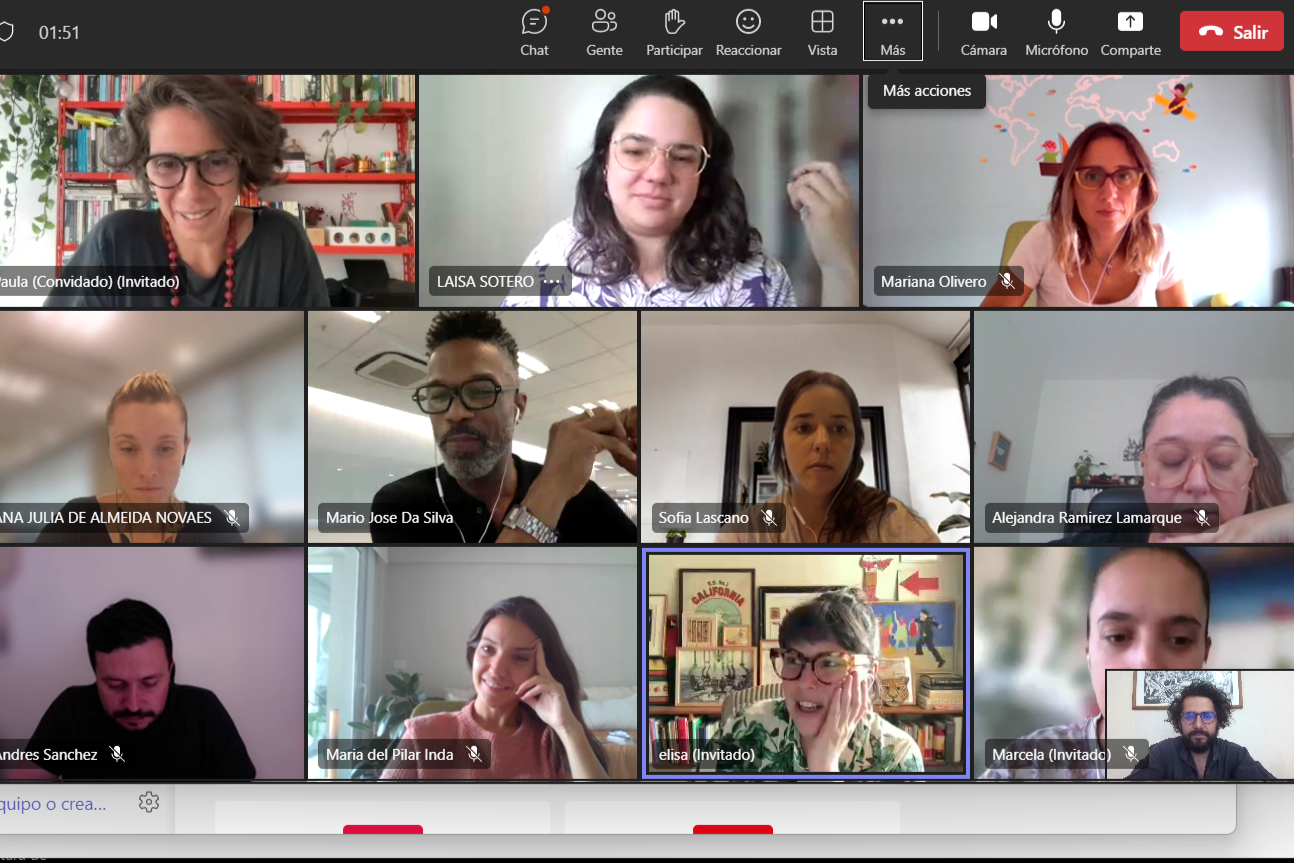
This is how the meetings look like.
What you’ll learn
Recognize maguey and mezcal as a living and cultural systems.
Analyze the relationships between territory, knowledge, and production.
Reflect on ethnography, memory, and biocultural identity.
Design strategies to connect with your own territory through collective action.
-
Brief history of anthropology
About ethnography
Principles of anthropology
Anthropology or Intercultural studies
Food studies
Understanding agave and mezcal throuhg a cultural perspective
-
DescriptioCosmovision, and creation of meanings
Psychosociology of food
Cases of study
Transmission of knowledge
Cultural reproduction and resistancen text goes here
-
About the human body, the senses and taste
Historic taste
Construction of flavor and identity
Case studies
-
Agave biodiversity
TEK: Traditional Ecological Knowledge and the Agave
Local classifications of agave
Industrialization and capitalism concerning agave and mezcal
TEK and restoratio
-
Traditional societies and agave peasants
Gender in mezcal
Geographical indications
Market systems and logistics
-
Intercultural practices for dialogue
Translocal solidarities
Representing with dignity
-
La memoria biocultural, Víctor Toledo y Narciso Barrera
Towards a Psychosociology of Food, Roland Barthes
Comida, cultura y modernidad en México. Perspectivas antropológicas e históricas, Catherine Good y Laura Elena Corona
El maguey y el pulque en los códices mexicanos, Oswaldo Goncalves de Lima
Etnoecología ixcateca, Selene Rangel
Distinction, Pierre Bourdieu
Hacia una reflexión decolonial de la alimentación en el occidente de México, Yanga Villagómez, Claudio Rocío Magaña
Cuerpo, cosmos y medio ambiente de Pierre Beaucage
Taste of place, Amy Trubek
La filosofía Náhuatl estudiada desde sus fuentes de León Portilla
Indigenous Storywork: educating the heart, mind, body and spirit, Jo-Ann Archibald
El retorno a la naturaleza: apuntes sobre cosmovisión Amazónica desde los Quechua, Grimaldo Rengifo Vázquez
Land as Pedagogy de Leanne Betasamosake Simpson
En tiempos de muerte: cuerpos, pedagogías resistencias de Lorena Cabna
Syllabus
FORMAT AND AVAILABILITY
DURATION: 6 sessions. Adaptable to each space or group.
FORMAT: Online sessions via Google Meets. Every session will be recorded for future and anachronic review.
LANGUAGE: Spanish and English
AVAILABILITY: There are currently no dates available, but you can request it for your space or group.
COST: 160 USD per person. No information available currently. Ask about payments options. Ask about scholarships. Send an email so we can adapt to your situation. We will be happy to reach an agreement.

“Born from a field-based ethnographic project in southern Mexico, this workshop applies a critical and reciprocal anthropology to develop a transformative learning community.”
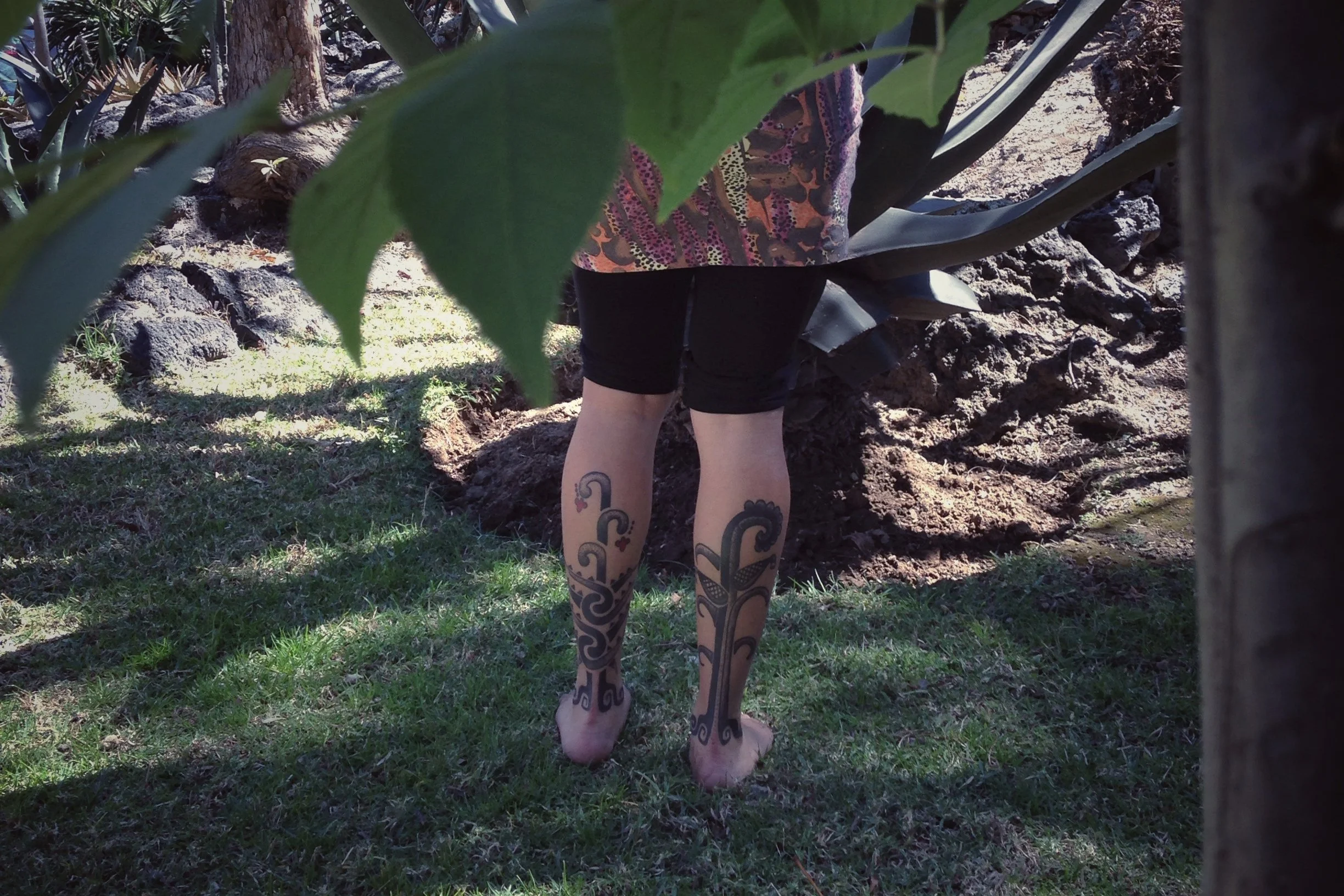
Would you like to bring this workshop to your space or group?
Write to us to arrange an edition tailored to your needs.